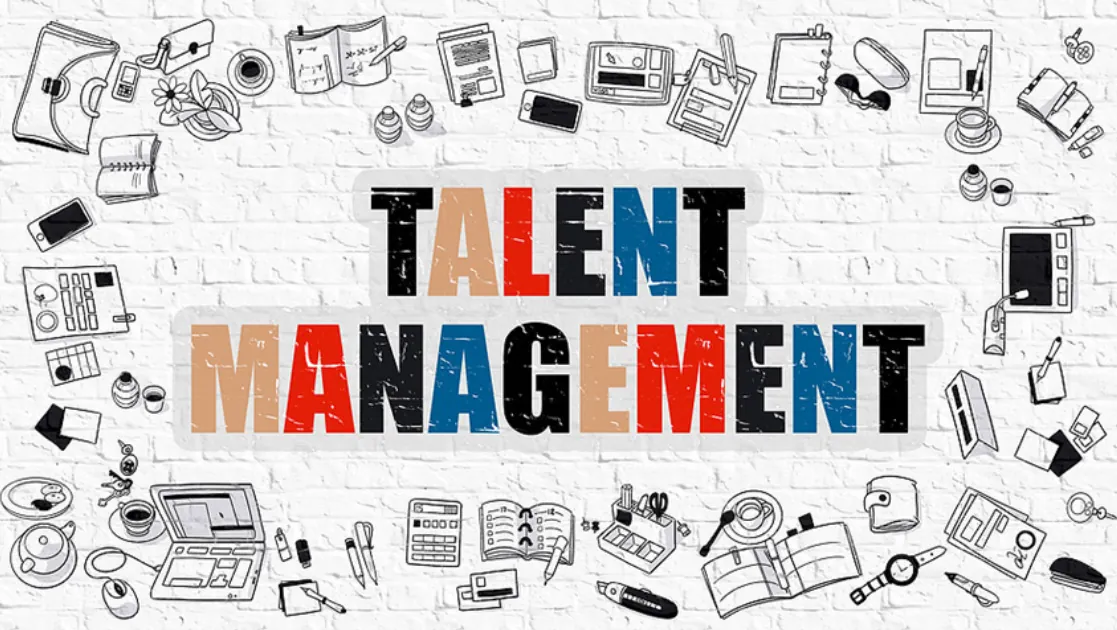
In a world where the war for talent is intensifying and business environments are constantly evolving, talent management has become more than just an HR function—it’s a strategic imperative. Organizations that effectively attract, develop, and retain top talent gain a significant competitive edge in the marketplace.

This blog post unpacks key talent management strategies modern businesses can adopt to build a high-performing, agile workforce that thrives in the face of change.


1. Define and Align Talent Management with Business Strategy

The first step in effective talent management is to ensure it aligns with the broader business strategy. HR professionals must work with leadership to understand:

A talent strategy that supports these objectives ensures you’re developing the right people for the right roles at the right time.


2. Build a Strong Employer Brand

Top talent has options, and your employer brand can be the difference between attracting or losing great candidates. A strong employer brand includes:

Tip: Showcase authentic employee testimonials, recognition programs, and success stories on your website and social media channels.


3. Develop an Internal Talent Pipeline

Rather than relying solely on external hires, high-performing organizations invest in developing their existing workforce. This involves:

Internal talent is often more engaged, culturally aligned, and cost-effective to develop than external candidates.


4. Make Recruitment a Strategic Function

Gone are the days of reactive hiring. Talent acquisition must now be a proactive, data-driven process with clear goals:

Data point: Companies that use structured interviews and predictive hiring tools are 2x more likely to improve their quality of hire.


5. Prioritize Employee Engagement and Experience

Attracting talent is one thing—retaining it is another. Engagement is a critical piece of talent management and includes:

When people feel seen, supported, and challenged, they’re more likely to stay and perform at their best.


6. Leverage Learning & Development as a Talent Magnet

Today’s professionals are learning-driven. Organizations that provide continuous learning opportunities have a clear edge in attracting ambitious talent. Your L&D strategy should include:

Learning is not just about compliance—it’s about future-proofing your workforce.


7. Use Talent Analytics to Drive Better Decisions

Talent management is no longer based on guesswork. Modern HR leaders use talent analytics to:

Integrating HR data with business metrics enables smarter workforce planning and better ROI on people initiatives.


8. Foster a Culture of Inclusion and Belonging

Diversity isn’t just good ethics—it’s good business. Companies with diverse teams are more innovative and perform better financially. Talent management strategies must include:

A sense of belonging leads to higher engagement and improved retention.


Conclusion: Talent is the Ultimate Differentiator

In today’s knowledge-driven economy, people are your greatest asset. Effective talent management goes beyond hiring—it’s about nurturing potential, enabling growth, and building a culture where people want to stay.

By aligning talent management with strategy, leveraging data, and focusing on experience, organizations can build resilient, high-impact teams that drive long-term success.

For decades, performance management revolved around the annual review—a once-a-year evaluation where employees and managers sat down to discuss goals, achievements, and shortcomings. But in a fast-paced, digital workplace, this outdated approach is quickly being replaced by continuous performance management models that foster regular feedback, real-time coaching, and employee-driven development.

This post explores why traditional performance reviews are losing relevance and how forward-thinking HR teams are reimagining performance management to drive engagement, accountability, and business growth.


1. The Problem with Annual Performance Reviews

While annual reviews were once the norm, research shows that they often fail to:

Why they fall short:

The modern workforce demands more dynamic, continuous, and personalized development conversations.


2. What Is Continuous Performance Management?

Continuous performance management (CPM) is an agile approach that shifts from evaluation to ongoing development.

Core principles include:

This model treats performance as an evolving process—not a static judgment.


3. Benefits of a Continuous Performance Culture

Organizations that adopt continuous performance strategies experience:

According to Deloitte, 90% of companies that have adopted ongoing feedback models see positive changes in performance and employee satisfaction.


4. Tools to Support Modern Performance Management

Technology plays a critical role in enabling modern performance systems. Cloud-based platforms allow for:

Popular tools include:

These tools help HR teams scale feedback while keeping the process personalized and employee-centric.


5. The Role of the Manager as Coach

One of the biggest shifts in modern performance management is the manager’s role—from evaluator to coach.

Managers are expected to:

Effective managers understand that performance grows through conversation, not confrontation.


6. Goal Setting: From Annual KPIs to OKRs

Modern performance management incorporates agile goal setting through frameworks like Objectives and Key Results (OKRs) or SMART goals.

Benefits:

This agility ensures employees stay focused on what matters most—now, not last year.


7. Fostering a Feedback-Rich Culture

Creating a culture where feedback is frequent, honest, and welcomed is essential. That means:

Remember: The goal is not just to manage performance—but to elevate it.


8. Linking Performance with Development & Rewards

Modern performance management goes beyond ratings—it’s a catalyst for:

When employees see that performance feedback directly contributes to their career progression and compensation, they engage more deeply in the process.


Conclusion: Rethinking Performance for a New Era

Performance management is evolving from a once-a-year formality into a continuous, developmental, and data-informed process. It empowers people, supports managers, and aligns individuals with strategic goals—creating a high-performance culture from the ground up.

If your organization is still relying on outdated performance reviews, now is the time to embrace the shift. Start small, test tools, and coach your managers to lead with clarity and empathy.

In today’s interconnected and diverse world, fostering an inclusive workplace isn’t just a moral obligation—it’s a strategic necessity. Research has consistently shown that organizations with inclusive cultures outperform their peers in innovation, employee engagement, and financial performance.

Human Resources (HR) plays a central role in creating and sustaining a workplace where every individual feels valued, respected, and empowered to contribute. This post explores how HR professionals can champion inclusivity and ensure their organizations thrive in an increasingly diverse world.


1. What Does Workplace Inclusion Really Mean?

Inclusion goes beyond demographics. It’s about creating an environment where people of all backgrounds, identities, and abilities can thrive—with a sense of belonging and psychological safety.

It’s the difference between:


2. Why Inclusion Matters for Business

The benefits of inclusive workplaces are vast and well-documented:

HR must lead the charge in embedding inclusion into every aspect of the employee lifecycle.


3. Start with Inclusive Recruitment Practices

To build an inclusive culture, it starts with who you bring in—and how. Inclusive hiring practices include:

HR should also collaborate with hiring managers to ensure they’re trained in equitable hiring practices.


4. Foster Inclusive Onboarding and Development

The employee experience begins on Day 1. Inclusive onboarding should:

Ongoing development opportunities must also be equitable—offering everyone access to:


5. Create Safe Channels for Feedback and Reporting

Psychological safety is a cornerstone of inclusion. HR must:


6. Celebrate Differences—Intentionally

Recognizing and celebrating diversity sends a strong message. Ideas include:

Cultural appreciation, not appropriation, is key. Let your team lead the way in shaping inclusive events and dialogue.


7. Promote Inclusive Leadership

Inclusion must be modeled from the top. HR can:

When inclusion becomes part of how leaders lead, it becomes part of the culture.


8. Measure What Matters

Inclusion isn’t a “feel-good” initiative—it should be measured like any strategic priority. HR can track:

Insight + action = impact.


Conclusion: Inclusion is an Ongoing Journey

Inclusion doesn’t happen overnight—it requires continuous effort, reflection, and commitment. HR professionals are the stewards of workplace culture, and their leadership is essential in turning inclusive values into daily practices.

Start small. Listen to your people. Be intentional. And remember: inclusive workplaces don’t just change organizations—they change lives.

In the fast-changing world of work, Learning & Development (L&D) has moved from being a “nice-to-have” HR function to a critical strategic driver of business performance and employee engagement. Organizations that prioritize continuous learning are better equipped to innovate, adapt, and lead in today’s competitive environment.

This blog explores how modern Learning & Development strategies empower people, improve productivity, and fuel long-term growth for businesses.


1. Why L&D Matters More Than Ever

The half-life of skills is shrinking. According to the World Economic Forum, 50% of all employees will need reskilling by 2027. Business leaders are realizing that hiring alone can’t close the skills gap—developing talent internally is faster, cheaper, and more effective.

Benefits of strong L&D initiatives:


2. Align L&D Strategy with Business Objectives

To truly drive growth, L&D initiatives must align with the strategic goals of the business. HR and L&D teams should collaborate with leadership to:

Example: If your business is expanding into new markets, L&D might focus on cross-cultural communication, global compliance, and agile project management.


3. Create a Learning Culture, Not Just Programs

A single course or workshop isn’t enough. Organizations must embed learning into their culture so that employees:

How to build a learning culture:


4. Personalize the Learning Journey

One-size-fits-all learning is outdated. Today’s employees want personalized learning experiences that meet their individual goals and learning styles.

L&D teams can personalize by:

Popular Tools: Coursera for Business, LinkedIn Learning, Udemy for Business, and SAP SuccessFactors


5. Blend Learning Modalities

Not all learning has to be in-person or online. The most effective L&D strategies use blended learning models that combine:

This approach ensures knowledge is retained and applied in real-world contexts.


6. Develop Future-Ready Leaders

Leadership development is one of the highest-impact investments a company can make. Focus areas include:

By grooming your internal talent, you reduce reliance on external hiring and build a sustainable leadership pipeline.


7. Measure the ROI of Learning Initiatives

L&D should be treated like any other business function—with clear metrics and measurable impact. Key indicators include:

Use models like:


8. Stay Agile and Adaptable

The world of work is shifting constantly. L&D must be agile and responsive, ready to:

Being proactive—not reactive—is the key to staying competitive.


Conclusion: Learning is the New Growth Strategy

Organizations that empower employees with continuous learning not only develop better talent—they also build better businesses. Learning fuels performance, fosters innovation, and prepares organizations for whatever comes next.

For HR and business leaders alike, L&D is no longer a support function—it’s a core engine of sustainable growth

Change is a constant in today’s business world. Whether it’s driven by digital disruption, mergers and acquisitions, restructuring, economic shifts, or global crises—organizational change is unavoidable. However, the success or failure of change efforts often hinges on one critical factor: people.

That’s where Human Resources (HR) comes in.

HR professionals are uniquely positioned to lead, guide, and support organizational transformation. This blog explores how HR plays a strategic role in change management and what best practices they can adopt to ensure smooth transitions.


1. Why Change Initiatives Fail (and HR’s Role in Preventing It)

According to McKinsey, 70% of change initiatives fail—largely due to poor communication, lack of leadership, employee resistance, and cultural misalignment. HR’s mission is to bridge the gap between strategy and execution by managing the human side of change.

Common pitfalls HR can address:


2. HR as a Change Architect

HR should be involved from the earliest stages of any major transformation. Their responsibilities include:

In this role, HR professionals become both strategists and change champions.


3. Build a Change-Ready Culture

Organizations that embrace change as part of their DNA are more likely to thrive. HR can cultivate this by:

A culture that is agile, inclusive, and transparent will adapt to change with far less resistance.


4. Communicate Transparently and Frequently

One of the biggest reasons employees resist change is lack of clarity. HR must drive open, two-way communication by:

Rule of thumb: Over-communicate, especially during periods of uncertainty.


5. Support Leaders to Lead Through Change

Frontline managers and leaders are essential in driving transformation, but they often feel ill-equipped. HR must:

When leadership demonstrates commitment and clarity, employees are more likely to follow suit.


6. Empower Employees as Change Agents

Don’t underestimate the influence of your people. HR can:

When employees feel part of the change, they become owners, not just recipients.


7. Provide the Right Tools and Training

Every transformation requires new skills, systems, or behaviors. HR must lead efforts to:

Upskilling ensures that people aren’t just prepared for change—they’re confident navigating it.


8. Track Progress and Celebrate Wins

Change management isn’t a one-time event. It’s a process that requires continuous monitoring and celebration. HR should:

Progress, not perfection, keeps people motivated and reinforces commitment.


Conclusion: HR Is the Heart of Transformation

In any change initiative, systems and strategies matter—but people matter more. HR professionals are vital to shaping the narrative, supporting leaders, and empowering employees through disruption.

With the right tools, mindset, and influence, HR can transform fear into focus—and lead organizations confidently into the future.

In an era marked by technological disruption, evolving job roles, and shifting market demands, Strategic Workforce Planning (SWP) is no longer optional—it’s essential. To maintain a competitive edge, organizations must not only react to change but anticipate and prepare for it, especially when it comes to talent.

This blog explores how HR leaders can implement forward-thinking workforce planning strategies to ensure their organizations have the right people, with the right skills, at the right time.


1. What is Strategic Workforce Planning (SWP)?

SWP is the process of aligning your workforce with your long-term business goals by forecasting talent needs, identifying skill gaps, and creating plans to fill those gaps proactively.

Unlike traditional workforce planning, which is reactive and short-term, strategic workforce planning is proactive, data-driven, and future-focused.

Key questions it answers:


2. Why SWP Matters Now More Than Ever

The workforce is being reshaped by:

Failing to plan for these changes puts your business at risk of skill shortages, poor productivity, and reduced competitiveness.

According to Gartner, 33% of the skills that were in a typical job posting in 2018 will not be needed by 2025.


3. Steps to Implement Strategic Workforce Planning

Here’s a practical roadmap to building a strategic workforce plan:

Step 1: Align Workforce Planning with Business Strategy

Start by engaging with leadership to understand:

Your workforce plan must support the company’s vision.


Step 2: Conduct a Workforce Inventory

Take stock of your current workforce by evaluating:

Use HRIS systems and employee surveys to gather insights.


Step 3: Forecast Future Talent Needs

Project how your workforce must evolve to meet future demands. Consider:

This forecast helps you anticipate demand for new roles and emerging skills.


Step 4: Identify Gaps and Risks

Now compare current capabilities with future needs:

Pinpointing these gaps is the foundation of your talent strategy.


Step 5: Develop Actionable Plans

Once you’ve identified your talent gaps, develop strategies to close them. Options include:

Each approach should be tied to specific business goals.


Step 6: Integrate Technology and Data Analytics

Use predictive analytics and workforce planning software to:

Popular tools: Visier, SAP SuccessFactors, Workday Adaptive Planning


4. The Role of HR in Strategic Workforce Planning

HR plays a pivotal role by:

SWP transforms HR from an operational function into a strategic business enabler.


5. Challenges to Watch For

Overcoming these requires strong change management, data governance, and stakeholder alignment.


Conclusion: Future-Proof Your Workforce

Organizations that invest in strategic workforce planning are better prepared for uncertainty and more capable of seizing growth opportunities. By forecasting needs, closing skill gaps, and aligning talent with strategy, HR becomes a critical architect of business resilience.

Remember: The future of work belongs to those who prepare—not those who wait.